
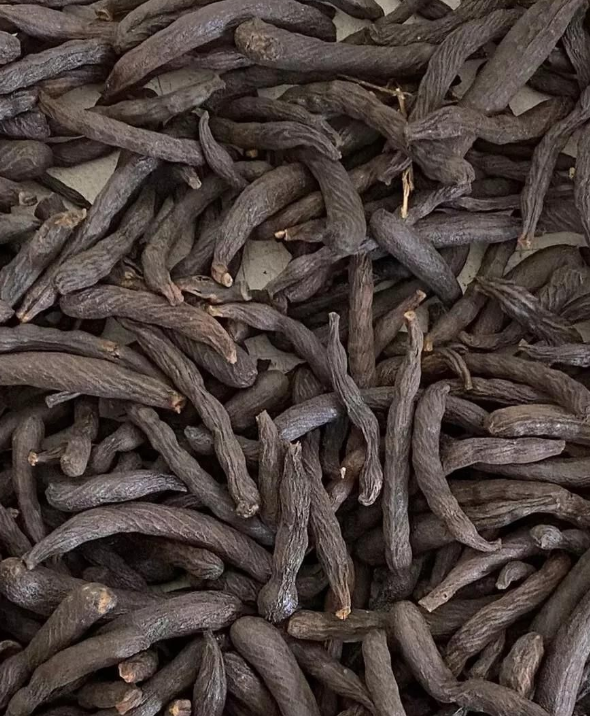
Looking to spice up your meals while boosting your health naturally? Let us introduce you to Grain of Selim — also known as African pepper, a bold and aromatic spice with deep roots in West African tradition. This smoky, peppery pod doesn’t just add flavor to your food — it also comes with impressive health benefits and cultural significance.
In this blog, we’ll explore everything you need to know about Grain of Selim, including its taste, nutrition, health benefits, how to use it, and possible side effects.
🟢 What is Grain of Selim?
Grain of Selim (Xylopia aethiopica), often called Negro pepper, Guinea pepper, or Kani, is a dried fruit used as a spice across West Africa. Native to tropical regions of Africa, the long, dark brown pods are packed with spicy seeds and aromatic oils.
Traditionally used in cooking, herbal teas, and local medicine, Grain of Selim is a staple in Ghanaian, Nigerian, and Senegalese cuisine. It’s cherished for both its culinary boldness and healing properties — making it more than just a spice.
🔥 What Does Grain of Selim Taste Like?
Grain of Selim has a smoky, spicy, and earthy flavor with hints of eucalyptus, nutmeg, and clove. It gives off a fragrant aroma when roasted or crushed, and its bold taste lingers longer than regular pepper.
It’s perfect for:
- Pepper soups
- Stews and broths
- Herbal teas and infusions
This spice isn’t just hot — it’s flavorful, aromatic, and unforgettable.
🧪 Nutritional Content of Grain of Selim
Though used in small quantities, Grain of Selim is loaded with powerful compounds. Here’s what makes it special:
Key Nutrients:
- Essential oils: cineole, eugenol, pinene (support immune & respiratory health)
- Alkaloids & flavonoids: offer antioxidant and anti-inflammatory effects
- Tannins & saponins: contribute to digestive and antimicrobial benefits
- Minerals: calcium, magnesium, potassium, iron
- Dietary fiber: supports gut health and digestion
These compounds give Grain of Selim its edge as both a culinary and therapeutic ingredient.
🍵 How Much Grain of Selim Should You Consume Daily?
There are no fixed rules, but moderation is key. For most uses:
- Culinary: Use 1–2 pods per dish (soup or stew)
- Herbal teas: Boil or steep 1 pod per cup of water
Due to its strong taste and potency, avoid consuming large amounts. Start with small portions and observe your body’s response, especially if using it for health purposes.
🌱 Health Benefits of Grain of Selim
Grain of Selim isn’t just a spice — it’s a traditional remedy that has stood the test of time. Here are some of the most well-known health benefits:
1. 🌬️ Supports Respiratory Health
Used in teas or steam inhalations, it helps clear nasal congestion, coughs, asthma, and bronchitis.
2. 🧘 Aids Digestion
It promotes better digestion, reduces gas and bloating, and improves appetite.
3. 🛡️ Antimicrobial Power
Its essential oils fight off harmful bacteria and fungi, helping to prevent infections.
4. 🔥 Anti-Inflammatory & Pain Relief
Grain of Selim is traditionally used to relieve joint pain, backache, and internal inflammation.
5. 💗 Rich in Antioxidants
Its antioxidant content helps neutralize harmful free radicals that cause chronic diseases.
6. 👶 Postpartum & Reproductive Support
In some African cultures, it’s boiled and used by women after childbirth to cleanse the womb and support recovery.
🍲 Common Uses of Grain of Selim
Grain of Selim can be used in various ways — from kitchen to medicine cabinet.
In Cooking:
- Add whole or crushed pods to soups, broths, and stews
- Use in spice blends and meat marinades
- Infuse in teas with ginger and clove for an immune-boosting drink
In Herbal Remedies:
- Brewed as a tea for cough or stomach problems
- Boiled with other herbs for postpartum recovery
- Crushed into traditional ointments for topical relief
In Cultural Practices:
- Used in spiritual cleansings, traditional rites, and healing rituals in parts of West Africa
This spice truly bridges the gap between food, culture, and wellness.
⚠️ Possible Side Effects of Grain of Selim
While generally safe in small, food-based quantities, overuse may lead to side effects.
Potential Risks:
- Stomach irritation if consumed in large amounts
- Allergic reactions (itching, rash, or breathing issues) in sensitive individuals
- Not recommended during pregnancy in high doses due to uterine stimulation
- Drug interactions may occur with blood thinners or anti-inflammatory meds
👉 Always consult a healthcare professional before using it medicinally — especially if you’re pregnant, breastfeeding, or on medication.
💬 Final Thoughts
Grain of Selim is more than just a kitchen spice — it’s a bold, healing, and culturally rich ingredient that deserves a place in your pantry. Whether you’re cooking up a traditional African dish, brewing a healing tea, or exploring natural remedies, this spice brings flavor and function to the table.
🌿 Shop Authentic Grain of Selim
Looking for 100% natural Grain of Selim
👉 Shop now Grain of Selim from Aadan Natural Healthy Store
👉 Shop Grain of Selim Powder from Aadan Natural Healthy Store
Explore our premium herbs, spices, and wellness products — carefully sourced for quality and tradition.